January blog

Resolutions and results

Welcome back and a very Happy New Year to all writers, friends and families.

What do we have to look forward to in 2026?
  • In the Chinese calendar, this is the year of the Horse
  • The Winter Olympics are in Italy from February 6 – 22
  • The Football World Cup is in the United States, Canada and Mexico, from June 11 to July 19
  • And the Commonwealth Games are in Glasgow from July 23 to August 2
  • The living Nostradamus – Brazilian soothsayer Athos Salomé – is predicting power cuts, especially between March 12 and 15, and wars between the super-powers in the Arctic.

I think that’s enough to be starting the year with!

I am usually very much in favour of setting New Year Resolutions. But I’m doing something a bit different this year – I’m taking it month by month. I’m hoping this won’t put so much pressure on me, but it might well give me a bit more motivation to get smaller things done more immediately.

So, just a few ideas:
  • I thought I’d aim to read one book a month from the “One Hundred must-read classics” list chosen by Penguin readers in 2022. Click here for the link.
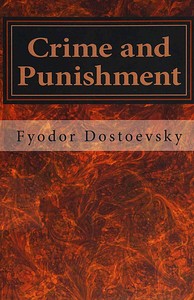
  • I’m not sure yet whether I’ll re-read those I have already, such as Pride and Prejudice and To Kill a Mockingbird. Or just those I haven’t, such as In Cold Blood by Truman Capote and Crime and Punishment by Fyodor Dostoevsky, which will undoubtedly keep me going all year!
  • I’d like to finish editing my historical novel book in January and then carry on searching for a cover, hoping to self-publish by Easter.
  • From February on, I’m aiming to re-plot my sequel to Pathway to the Gods. I thought I had the plot sorted, but two-thirds of the way through, it just didn’t work and I stopped. Time to get going again.
  • I’ll carry on with this monthly blog and I’d really like to hear from more of you, with your writing news and ideas.

And a reminder from last month to acknowledge your list of successes in 2025. These can include any sort of results: regular writing, writing flash fiction, short stories, chapters of a novel, entering competitions, planning and plotting a novel, doing research, getting feedback, attending workshops, writing groups and holidays, supporting a writing friend …… I’m sure you can come up with more.

Wishing you a Happy New Year and a productive and enjoyable year of writing.

Linda
December blog

A pat on your back!

So, we’re nearly at the end of the year and it’s time to take stock of our writing over the past twelve months. Did you set goals back in January? If you did, how have you got on?

Just a word of caution – please don’t be too harsh on yourself, or too judgmental. We all have lives to lead and, as has been said in this column before now, life does have a habit of getting in the way from time to time! Writing goals, or New Year Resolutions, should be regarded as a motivational wish list, rather than set-in-stone targets.

I know many writers aim for a set number of words every day. A worthy goal, of course. And regular writing is very much recommended by established authors and tutors. The important thing to realise is that one or two days’ failure should only be regarded as a blip, not a full-stop. Have your free day from writing, but make sure you carry on. Nobody but yourself is counting!

Just feel guilty!

I was quite taken with the quote on this page which I found on Facebook:

You don’t have to write every day to be a writer; you just have to feel guilty every day that you don’t!

I like it – and it certainly applies to me! But, in mitigation, when I have days free from writing, I am inevitably thinking about writing on those days – planning, plotting, researching, observing, note-taking, and daydreaming about my characters. So really, that’s job done and it’s certainly not a wasted day.

Among my resolutions back in January were finishing, editing and publishing a historical novel that I started many years ago. My idea was to send it out to Beta-readers, which I did, and then to edit it, taking into account the feedback I received. Yes, ticked that box too. But I also needed to get a cover for the novel and that has proved more difficult than I thought it would be.  Editing is nearly finished and I’m now aiming for April 2026 for publication.

For me, keeping the old grey matter in good order is another goal, so learning something new is always on my list. That includes learning more about writing, which I tend to do through articles, websites, books and talks. But also non-writing learning. This year I’ve attended workshops in pottery, bookbinding and glass fusion, been to several historical talks and visited seven museums. Why not make a list of your writing accomplishments and learning – and give yourself a really good pat on the back!

Depending on what happens on New Year’s Eve, I hope to be back with you on January 1st! Have your Resolutions ready, including one or two new writing ideas. You might like to try a different genre of writing, or some different competitions, or helping a writing buddy, or reading two books a month. I’m sure you can be more creative! I look forward to hearing from you.

Happy writing and wishing you a most enjoyable festive time.

Linda

November blog

Challenge Yourself this month

Usually at this time of the year, thousands of people worldwide are getting stuck into their challenge of writing 50,000 words in the month of November.

NaNoWriMo (National Novel Writing Month) has been encouraging writers for 25 years. Sadly, it is no more.

NaNoWriMo began back in 1999 when an American student, Chris Baty, encouraged 20 friends to write a novel in just a month. The following year, there were 140 participants; in 2022, more than 413,000 people took part.

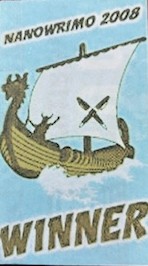
NaNoWriMo was always free to participants who, if they completed the 50,000 words, had their work verified and then could download a winner’s plaque.

Here’s mine from 2008!

Over the years, the organisation grew, to include a website, a young writers’ programme, local and on-line get-togethers and merchandise.

Why no more?

  • They got into financial difficulties.
  • There were complaints about child safety on the NaNoWriMo sites, plus a complaint about a moderator grooming young participants, and
  • The organisation’s stance on AI did not go down well with members and sponsors.

So, what had initially been a great idea to get people writing closed down on March 31st 2025.

But there is GOOD NEWS!

If you still feel you’d like a challenge to get you writing throughout November, there are alternatives. Just look up the suggestions below on your search engine and you’ll find all the encouragement you might need!

  • Reedsy Novel Sprint
  • Novel November (via ProWriting Aid)
  • AutoCrit Novel 90 (90 days rather than 30)
  • StoryADay

You don’t have to join a formal challenge to boost your writing this month. Here are some more ideas:

  1. Set your own word target. It certainly doesn’t have to be 1666 words a day! Anything will do. A writing friend of mine set herself the target of 200 words a day and it developed into a lovely story.
  2. Set a time target eg 15 minutes a day, or 30 or an hour – depending on your circumstances.
  3. Meet up with a writing buddy to write for perhaps half an hour or an hour; or get-together on zoom at a certain time to chat about your progress.
  4. Set yourself weekly targets and then celebrate when they are accomplished.
  5. Join a writing group. Quite often they encourage members to write something for each meeting.
  6. Be kind to yourself and don’t stick to November. Plan your next project and set monthly targets.

I know quite a few writers who say they can’t possibly stick to a regular writing regime: they can only write when the mood, or the muse, takes them. If that’s you, I would suggest just trying a routine for a week. You never know, it might just work!

Happy Writing.

Linda

ps I had a bit of rant back in September when I was really disappointed in the early writings of one of my favourite authors. I’ve learnt my lesson and always look at the year of publication now!

But another favourite author has delighted me this month – the historical novelist Philippa Gregory. Her latest book is
Boleyn Traitor.

Every time I start reading one of her historical novels, I just wish I could write like her. But the research alone would take me the next fifty years! If you like reading about Henry VIII and his wives, then do give this one a go. It’s an intriguing character-led story about Jane Boleyn, sister-in-law to Ann Boleyn, who served five of Henry’s wives. A fascinating read.

October blog

Who are you writing for?

When you sit down to start writing, do you know WHO you are writing for?

I think at almost every Creative Writing class I’ve been to, the tutor has insisted “you must write for yourself.” That’s certainly a sentiment I agree with. You must have a passion for whatever you are writing and that passion is part of you – whether it’s a place you’re fond of, a political topic you’re enthusiastic about or even obsessive about, a person you love (or loathe), a story you’ve always wanted to tell. Your writing comes from you – your personality, your background, your history, your dreams, your fears and your goals. So, yes, you should be writing for yourself.

If it’s JUST for yourself, then keeping a diary fits the bill. Or you could use a folder or computer file that’s just for you. But diaries have a habit of getting read – after you’ve gone! So, do you want people reading them eventually?

Over the years I’ve been teaching, I’ve come across writers who tell me they are “just writing for themselves”. But they’re still happy to share their endeavours with the class or group. And, I believe, some of them want someone (usually me) to say “Oh, I think you should send that off to such-and-such a magazine.”

Be honest with yourself

When we write, I think we must be honest with ourselves and decide just WHO we are writing for – in addition to ourselves. I am a firm believer in considering your would-be audience when you write.

Non-fiction writers usually have a very particular audience in mind. They might be writing an article or a book specifically for children, or teenagers, or Mums, or seniors, or travellers, or for those following a certain business, craft, hobby or sport. That specific audience will dictate what you are writing about, what vocabulary and terms you use, what you include and how the piece is structured. Of course, you put your own style into the article or book, as well as all the vital information required.

It’s when writing fiction that I wonder whether we consider our audience enough.

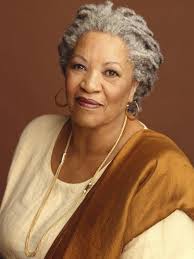
Toni Morrison said: “If there’s a book you want to read, but it hasn’t been written yet, then you must write it.”

Absolutely fine. But it would be even better if it were written to attract other readers too!

If you are writing a light romance, then you’ve probably read similar novels, and we know that thousands of people are avid followers of Mills and Boon. So, as a reader, you’ll know what’s required. But you won’t necessarily want to write a version of M&B – it has to be yours. Then, it’s a good idea to have an Ideal Reader in mind as you write.

A way of speaking

Many famous writers have said they write for a particular person.

Stephen King says he writes for his wife Tabitha; F Scott Fitzgerald likewise wrote with his wife Zelda in mind; Kurt Vonnegut wrote for his sister Alice, saying he wanted to make her laugh or cry; and Jack Kerouac said he wrote for his friends, like Allen Ginsberg, as a way of speaking to them.

This device can work well as it can make the writing more intimate, conversational and emotional.

If you feel you want to write for a wider audience, be careful not to lose those attributes by writing more generally. Writers who have an audience in mind are thought to take more care with their choice of words, their syntax, their characters, their structure and their plots.

So, next time you sit down to write, have a picture in mind of WHO you are writing for – just another idea to help the creative process!

This month is the last of the workshops I’ve been offering – on how to inject PACE (fast or slow) into your writing. Click here for a chat, exercises and writing practice.

I’d love to hear how you’ve enjoyed the workshops and whether any stories have come out of them!

Happy Writing!

Linda

September blog

How is everyone coping with the weather? As I write this, we’re still experiencing hot, sunny days, perfect for the beach, lazing and swimming. But maybe a bit harder for getting down to writing? Don’t panic. Cooler and wetter weather is on the way, and our gardens might well be recovering by the time you read this.

This month:

  • I’ve entered a competition
  • I’m disappointed in a favourite author
  • I’ve pix of a new hobby (writing-related!) plus
  • The second of my three Workshops.
  1. I managed to get round to entering a novel-writing competition. I don’t like writers being pessimistic about their writing but, on this occasion, I’m not overly confident of getting shortlisted. I think this particular competition tends to go for more literary writing, which is not me. But entering competitions is a good discipline for getting my work ready for other people’s eyes. And I had to get my synopsis down from 1000 words to 400 – another good exercise. If anything happens, I’ll let you know!
  2. I recently bought a paperback of one of my favourite authors. Couldn’t wait to start reading but, almost from the start, I was really disappointed. There were far too many characters introduced in the first chapter and I felt the writing was not nearly as good as other books. Then, I looked at the front page and discovered that this book had first been published in 1991. This author has gone on to write several extremely popular TV series so I can only assume that her writing has improved over the past 14 years. Note to myself to check the publication date!
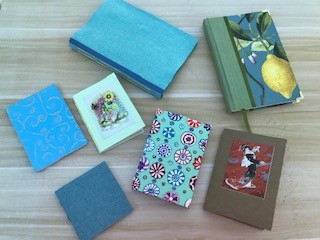
  3. My new hobby is BOOKBINDING. I went on a day-long workshop in Worthing which I loved. And then I was lucky to see a free course advertised on the Internet. There were four class in the course of a week – each an hour long plus half-an-hour of Q and As. Excellent instruction. These are the books I’ve made recently, trying out different stiches for the spines. If you’re interested, click here. Now I’ve just got to write in them!

4. The second of my Workshops is called Ups and Downs. Click here. Usual format – a bit of chat, then exercises and writing practices.
Last month, I did the Observation exercise myself when I went into my local shopping centre. The day before I had tripped over in the garden and slightly hurt my big toe!!! That meant that I couldn’t walk as fast as I usually do, so I had more time to look around and notice things that I have never noticed before. I hope some of the exercises have worked for you.

Whatever the weather, I hope you have a good month of writing!

Best wishes

Linda

PS Some people have told me they have trouble getting through to the Workshops from the email. If that’s the case, then ignore the email link and go to your search engine and input letsgetswriting.co.uk. You should be able to use the links from the blog. Sorry!

August blog

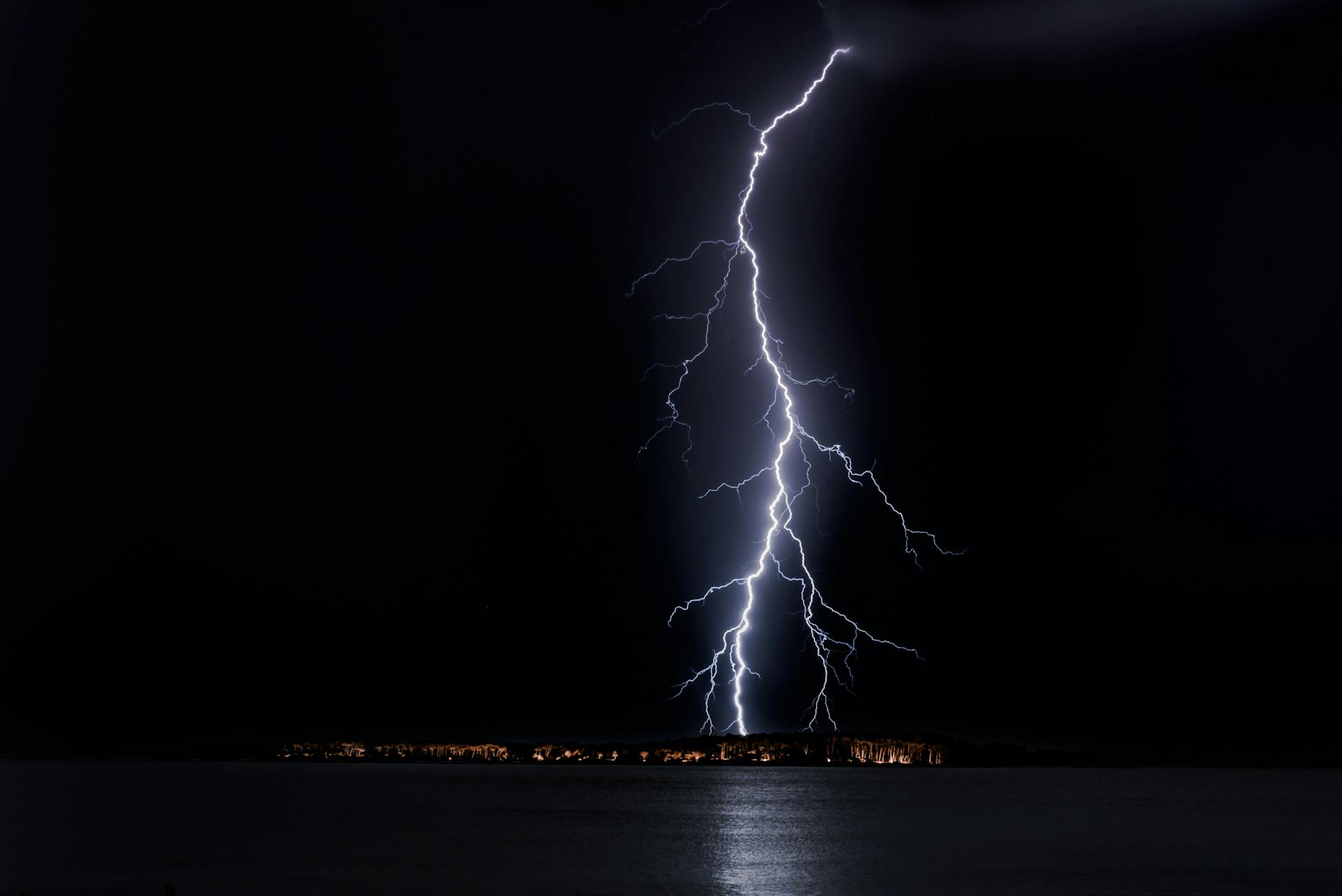
Photo by Philippe Donn on Pexels.com

I hope you are enjoying the British summer. We’ve had some really hot weather but also quite a bit of rain and I’m writing this as it’s thundering and pouring! Good for the garden, though.

But it makes me realise that the weather does affect what we do and how we behave, something we need to remember in our writing. I love a storm – so long as I’m sitting comfortably inside! But a couple’s first date in the sunshine could be totally different from one in a storm, especially if one of them suffers from brontophobia!

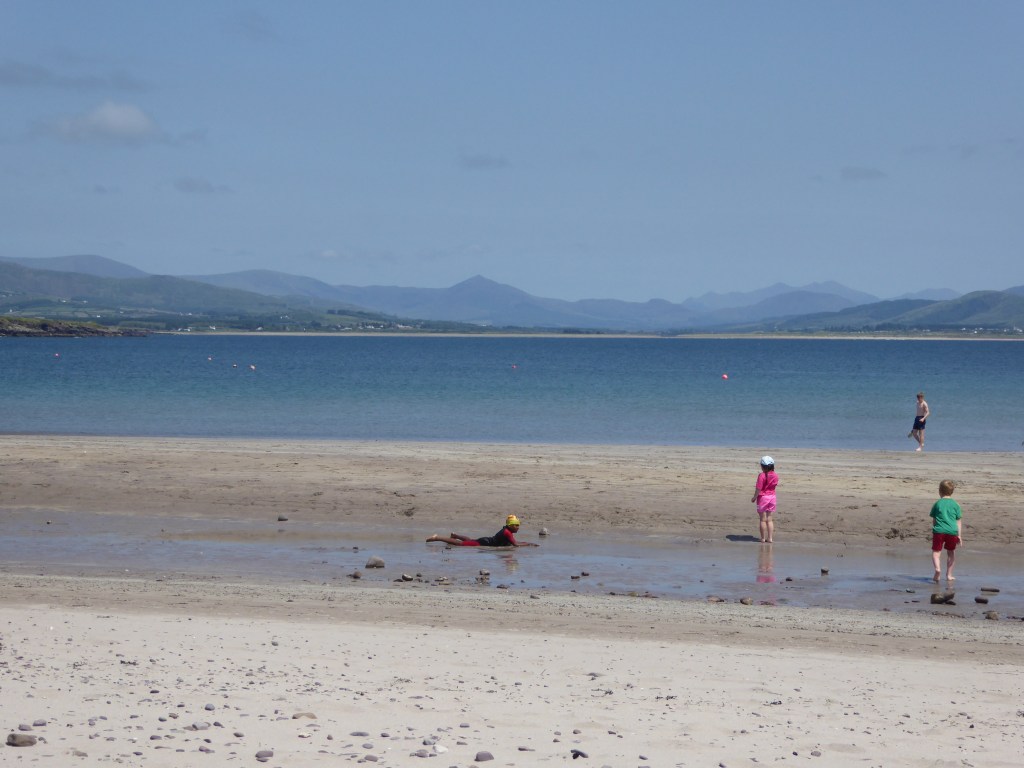
I’ve been fortunate to have had a lovely holiday in Ireland recently when, after a bit of a lean spell, I got down to doing quite a bit of writing. At home, I find there are too many distractions. On holiday, I drive to a favourite spot, maybe go for a walk, then come back and write until I’ve met my target for that day. And I spent one very rainy morning in the lounge of the hotel where I was staying, completely on my own, again writing to my target.

I thought you might like to see a photo of one of my very favourite writing places in Ireland. Not only does it have a long sandy beach and safe bathing but there’s a fabulous view across the bay to the mountains, plus a castle, an abbey, a cafe, a pub, a museum, free parking, a lifeguard station and, very important, facilities. So sorry I can’t tell you where it is – it’ll be overrun!

What I’m recommending is that YOU find YOUR place to write. Some writers, I know, can write in noisy, busy places like a café. Others need complete silence. You may be somewhere in between. Happy hunting!

Start of the Workshops

The first of my three, free online workshops is here. There’s an article, exercises and writing suggestions. Click here.

This one concentrates on how observant we are and how useful that can be in our writing.

I’d love to hear what you think of the workshop and whether you do some or all of the exercises, either on your own, with a writing buddy or in a writing group.

Happy Writing!

Linda

July blog

Beta Readers – what are they and do we need them?

Beta Readers.

These are people who read a completed piece of your work and give critical feedback.

Beta readers can be

  • family or friends,
  • writing colleagues,
  • people on the Internet,
  • or paid professionals.

I would recommend only using family or friends if you think they can be completely honest about your work and not just give praise. I’m sure we all like someone to say “Oh, I loved it. You’ll easily get it published!”

That’ll certainly give you a boost, which is always a good thing. But what you really need to know is what works and what doesn’t and, most importantly, WHY.

The term Beta Readers comes from the computer industry. Before a new computer programme is sold to the public, it has to be tested to make sure there are no bugs, viruses, mistakes or problems. So, the programme is given to a number of experienced programmers to use the programme like real customers – these are the Beta Testers.

What do Beta Readers do?

Their job is to give constructive feedback to the writer. They will look at your story’s plot, characters, conflict, pace, flow and the big picture.

They are NOT editors or proof readers so do not expect them to pick up grammar, spelling or punctuation points. Before sending your story to an agent or publisher, or self-publishing, you will need an editor and a proof reader as well, if you want to send out a professional product.

It is important to negotiate with your Beta Readers as to what, exactly, you want them to look at. You may be worried about the arc of your story; or you may want to know what they think of the main characters. The more specific you can be, the better for the Reader and you. Click here to see a suggested list of questions for Beta Readers.

How many Beta Readers?

Not too few and not too many! If you’re writing a genre novel, I would suggest one or two readers who read that genre, plus one or two more who are general readers. It’s interesting what each type will pick up! Any more than 4 or 5 and you will start getting too many differing opinions – you can’t please all your readers all the time!

Where to find Beta Readers?

Writing friends, writers’ groups, writing conferences, college, university and you’ll even find readers on the Internet who may not charge. If you feel you want professional, paid Beta Readers, look on the Internet: prices vary.

When to use Beta Readers?

Only when you have finished your final draft and you think it’s ready for publication or sending out to agents, editors, competitions etc.

You can certainly get opinions at any stage of your writing, from first ideas to second or more drafts. But only when YOU have done all the work you can (including grammar, spelling and punctuation checks), should you think about Beta Readers.

There’s little point is asking a Beta Reader to invest a lot of time and effort in reading your novel, if you’ve since made alterations which they don’t see.

What to do with the feedback?

  • Rule number 1: Do NOT take any criticism as personal. They are critiquing your writing, not you as a person.
  • Don’t argue with your Beta Reader. If you feel you have to explain something to them, then it’s not in the writing.
  • Read through the feedback reports from all your Beta Readers, particularly noting if the same feedback occurs in more than one report.
  • Go through your manuscript, looking at each individual point made. If you agree with the Reader, then change it. If you don’t, leave it.
  • You can go back to your Beta Readers to ask for clarification if you are not sure of the point they are making.
  • Thank your Beta Readers (or pay them if they are professionals!)

What next?

If a number of your Readers have come up with the same, major criticisms, you may feel you have to rewrite certain sections. And then you may need another set of Beta Readers to see if you have addressed the first Readers’ concerns.

But if you have made minor alterations and are happy with your novel, then that’s the time to find out what the world thinks of your writing – agent, publisher, competition or self-publishing.

Good luck and Happy Writing!

Linda

For each of the next three months, I shall be running a free online WORKSHOP. These will consist of:

  • An article about a writing subject
  • Exercises related to that topic
  • A writing exercise to practice that topic.

If you are not already subscribed, please do so below. Then your next blog, with the workshop, will arrive automatically at or near the beginning of August.

June/July blog

A rogue post! But there is some good news…..

Firstly, apologies to those of you who saw a post on Facebook saying I was running some free online workshops. A well-meaning writing friend posted it, not realising it was from four years ago! But I’ve had quite a few enquiries so I thought I’d do a course of 3 free online workshops, starting in August. These will consist of a chat on a writing topic; relevant exercises; and suggested writing practice. I’d welcome comments about the course as we go. Sorry, I don’t have space to post any of your writing.

1 book – 8 million copies sold!

This month I’d like to tell you about a fascinating talk I heard at a local church – St Richards in Aldwick – given by KATE MOSSE, author of the best-selling (8 million in 37 languages) book Labyrinth, which is set in the medieval French town of Carcasonne. Kate is a writer who is much inspired by place. She says a writer needs to get away from the familiar to experience somewhere new, to see a place with fresh eyes. At her first sight of Carcasonne, she says she felt she belonged there. She had a sense of being part of history.


She hadn’t intended to write about the place, but over the next five years of living there, she fell in love with the city and ‘I heard the whispering in the landscape’ that made her a writer.
Kate says she’s written eleven novels based on places. As humans, she says, we’re hard-wired to tell stories.
She spends years on researching a new novel,  clocking up thousands of words of notes.  


At this point, Kate broke away from her talk to comment on how the evening sunlight was streaming in through a church window straight onto the Bible, open on a lectern. She actually noted that it was 7.45pm – a detail, she said, that could be used in a story.


‘Research is the spine,’ Kate explained. Once that has been done, she starts writing to see what comes out. The first draft is all emotion and quite often she doesn’t know at the beginning what the theme of her novel is going to be. ‘I let the book show itself,’ she says. ’Then the work starts.’

Championing women


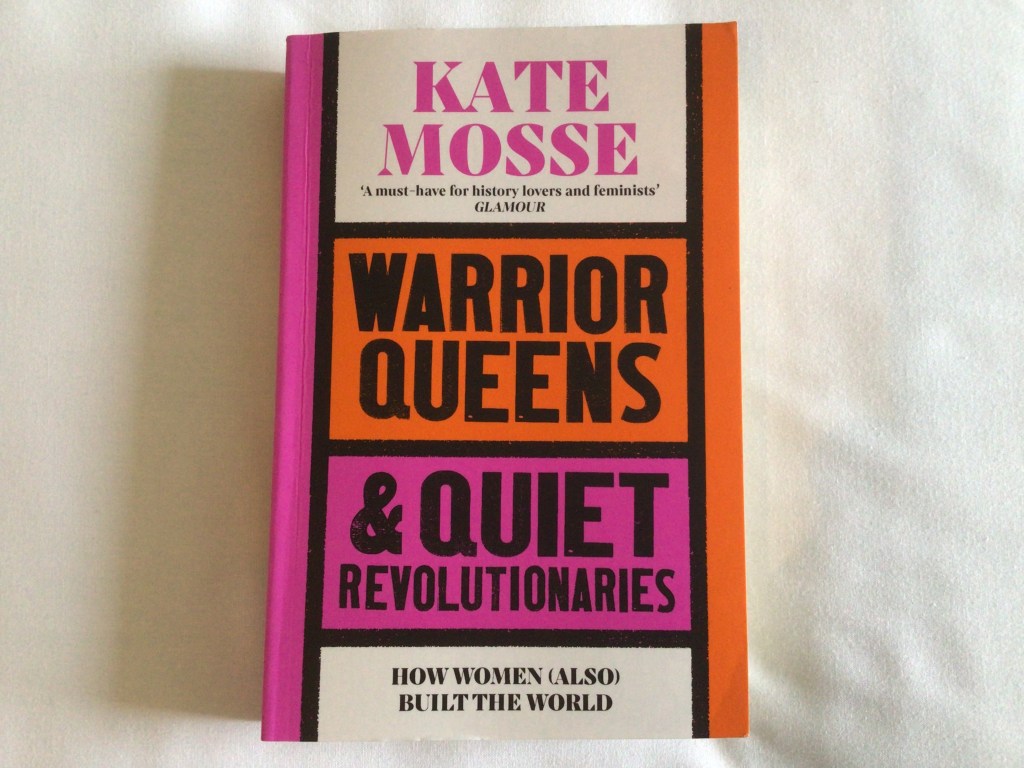
Kate also spoke about her desire to champion the cause of forgotten women who have contributed as much as men who ARE credited. In her own family, her grandmother was said to be Gladstone’s favourite novelist; and her aunt was one of the first women to be ordained. During Covid, Kate decided that something should be done about such women and she put out a Tweet, asking for names of women in the past who deserved recognition. Within days she had thousands of replies and the ultimate result is Warrior Queens and Quiet Revolutionaries: How women (also) built the world. The book is available on the usual platforms and is now permanently on my work desk, next to my computer. It’s a delightful read as Kate said, for dipping into from time to time. 


I’ll finish with two of Kate’s writing tips that I certainly subscribe to.
When you’re on your 3rd (or final) draft of your writing, change the font. It’ll be like reading a new book. 
And my favourite – when Kate has done all the edits and revisions and her book is ready for her editor, she says: When I press SEND, I have a glass of champagne!
Oh, yes!
Happy Writing
Linda 

March/April blog

Websites & Webinars for Writers

I’m sure you’ve already discovered there are hundreds and thousands of websites for creative writers, and a whole variety of webinars and podcasts: you could probably find a different one every day for the next twenty years! But you can also waste a lot of time trawling through such sites to find one that suits you.

One thing I’ve found is that if you sign up for a particular website, you can be inundated with e-mails, not just one a month or even one a week, but almost every day. And like writing magazines (in my experience), they often get left until you find the time to sit down and concentrate on what you’re reading.

Creative Writing websites vary enormously

  • Some, like Let’s Get Writing, offer a blog – usually on writing matters, often monthly. You’ll soon find out which author style suits you.
  • Others are unashamedly commercial sites, selling courses, critiques, competitions, books, videos etc.
  • Many combine the two: writerly advice plus opportunities for shopping.

So, I’m going to offer just a few websites and webinars that I have found interesting and/or useful over the years. Do have a look, and if you have your own favourites, perhaps you’d like to share them with Let’s Get Writing readers – via the Feedback form.

Websites

  1. Helping Writers become Authors by Katie Weiland – an award-winning site with absolutely loads of advice. Her books are highly recommended too.
  2. Kill Zone – written by 11 top American crime writers (including James Scott Bell and Terry Odell), so mostly for thriller, mystery and crime writers but a good read for all. They also do First page critiques, plus advice, anecdotes, wanderings, and a huge list of other writing websites.


3. Reedsy – this is a marketplace so lots of selling, but also articles, plus The 50+ best writing websites of 2025

4. Writer’s Digest – American print magazine which I have subscribed to before now. In-depth articles, plus 100-word story competition – good for getting going and group activities

Webinars

Again, hundreds available but do look carefully to see if there’s a cost. Sometimes, organisations will charge £40 for a webinar of between one and two hours. If you know and like the presenter, absolutely fine. If not, try the free ones first.

Webinars can be live or recorded. I tend to mostly watch the live ones as you can often ask questions, make comments and interact with other writers.

These are the two I’m most familiar with:

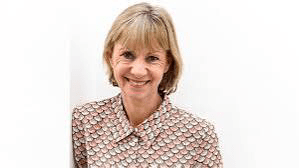
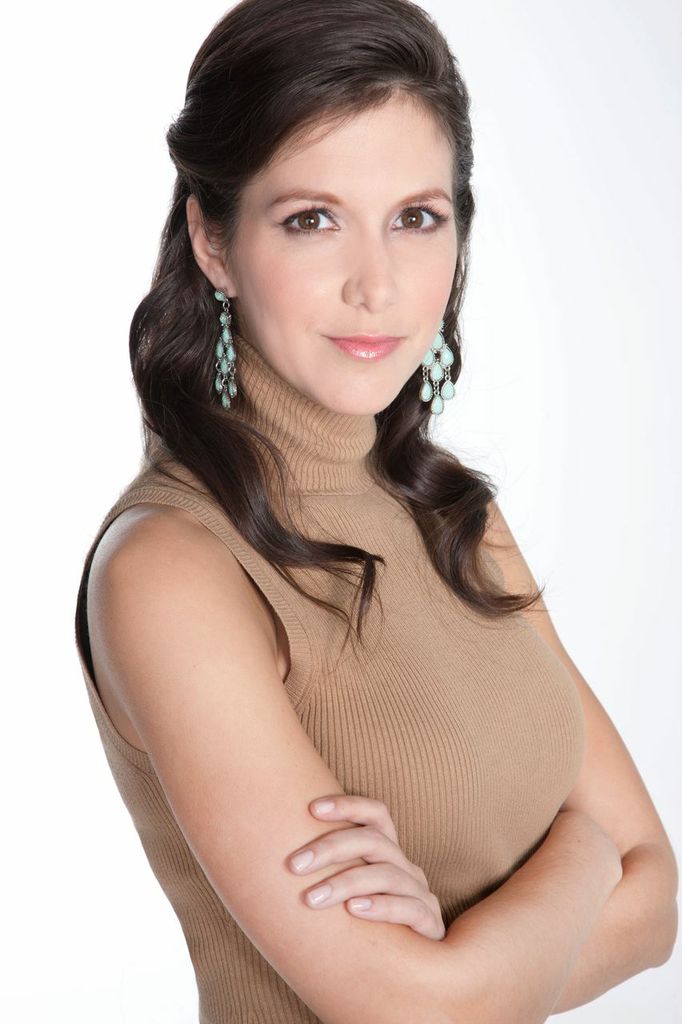
Authors AI. Their main business is using AI to analyse your novel. There’s a free version, plus paid ones. I’ve used both and find them most useful. They also put on regular webinars, usually presented by AI co-founder Alessandro Torre (see left), interviewing an American (usually) novelist. They last half an hour and can be entertaining and interesting. Recommended.

I also recently joined a webinar run by Jericho Writers, called Big Picture Editing, which was well-presented, well-structured and offered a different look at editing. Recommended.

Other companies that run free webinars include: Lulu Publishing; Curtis Brown Literary Agency; Reedsy;  BluePencil Agency and WriteAcademy.

If you have experienced other webinars that you’d like to pass on, please do so through the Feedback button.

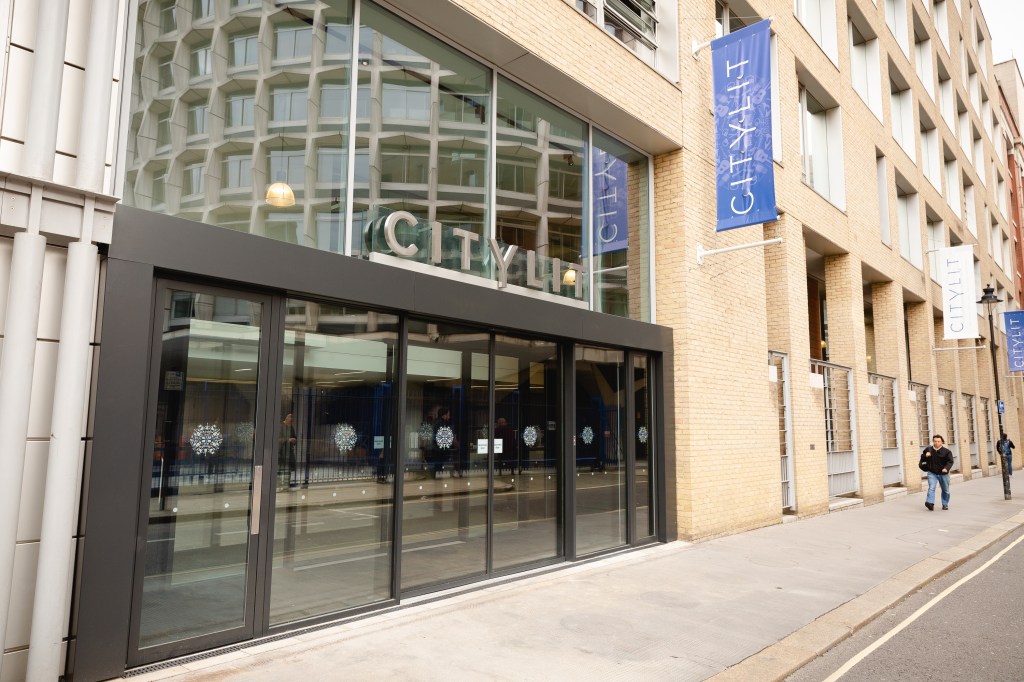
Last month I asked if anyone had experience of writing courses. Writing friend Brian contacted me about the courses he’s been on at the City Lit in London. It’s near Lincolns Inn Fields and the address is 1-10 Keeley St, London WC2B 4BA.

Here’s Brian’s experience:

My first course there, after retirement, was an introduction to journalism. I enjoyed two terms, met interesting people but failed to write any memorable articles. Perhaps, because as I later discovered I enjoyed writing stories that were only seemingly true. My next course was an Introduction to Short Story writing. This was a good mixture of prescription and practice. Over ten weeks, we wrote three long stories, receiving comprehensive feedback on the originals and two further edits. I was more in my creative comfort zone now. On two further creative writing courses, I wrote enough stories to fill an anthology and, much late, when I discovered Lulu, a self-publishing website, I published First Coarse, a pun on the standard of my writing and its source.

The next stage in my writing journey was to investigate travel writing at the nearby Mary Ward Centre. Here, I discovered I had forty years of history, featuring journeys taken in my many cars, to fill a book.  I used Lulu to self-publish to publish Road Works –  the drives of a lifetime.

In more recent times, I’ve attended one day courses on writing for children, one on straight storytelling and one on picture books. Both courses provided a good foundation of the elements required for each genre.
Thank you, Brian.

Happy writing in March and April. I’ll be back in May.

Linda