Websites & Webinars for Writers
I’m sure you’ve already discovered there are hundreds and thousands of websites for creative writers, and a whole variety of webinars and podcasts: you could probably find a different one every day for the next twenty years! But you can also waste a lot of time trawling through such sites to find one that suits you.
One thing I’ve found is that if you sign up for a particular website, you can be inundated with e-mails, not just one a month or even one a week, but almost every day. And like writing magazines (in my experience), they often get left until you find the time to sit down and concentrate on what you’re reading.
Creative Writing websites vary enormously
- Some, like Let’s Get Writing, offer a blog – usually on writing matters, often monthly. You’ll soon find out which author style suits you.
- Others are unashamedly commercial sites, selling courses, critiques, competitions, books, videos etc.
- Many combine the two: writerly advice plus opportunities for shopping.
So, I’m going to offer just a few websites and webinars that I have found interesting and/or useful over the years. Do have a look, and if you have your own favourites, perhaps you’d like to share them with Let’s Get Writing readers – via the Feedback form.
Websites
- Helping Writers become Authors by Katie Weiland – an award-winning site with absolutely loads of advice. Her books are highly recommended too.
- Kill Zone – written by 11 top American crime writers (including James Scott Bell and Terry Odell), so mostly for thriller, mystery and crime writers but a good read for all. They also do First page critiques, plus advice, anecdotes, wanderings, and a huge list of other writing websites.
3. Reedsy – this is a marketplace so lots of selling, but also articles, plus The 50+ best writing websites of 2025
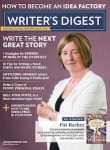
4. Writer’s Digest – American print magazine which I have subscribed to before now. In-depth articles, plus 100-word story competition – good for getting going and group activities
Webinars
Again, hundreds available but do look carefully to see if there’s a cost. Sometimes, organisations will charge £40 for a webinar of between one and two hours. If you know and like the presenter, absolutely fine. If not, try the free ones first.
Webinars can be live or recorded. I tend to mostly watch the live ones as you can often ask questions, make comments and interact with other writers.
These are the two I’m most familiar with:
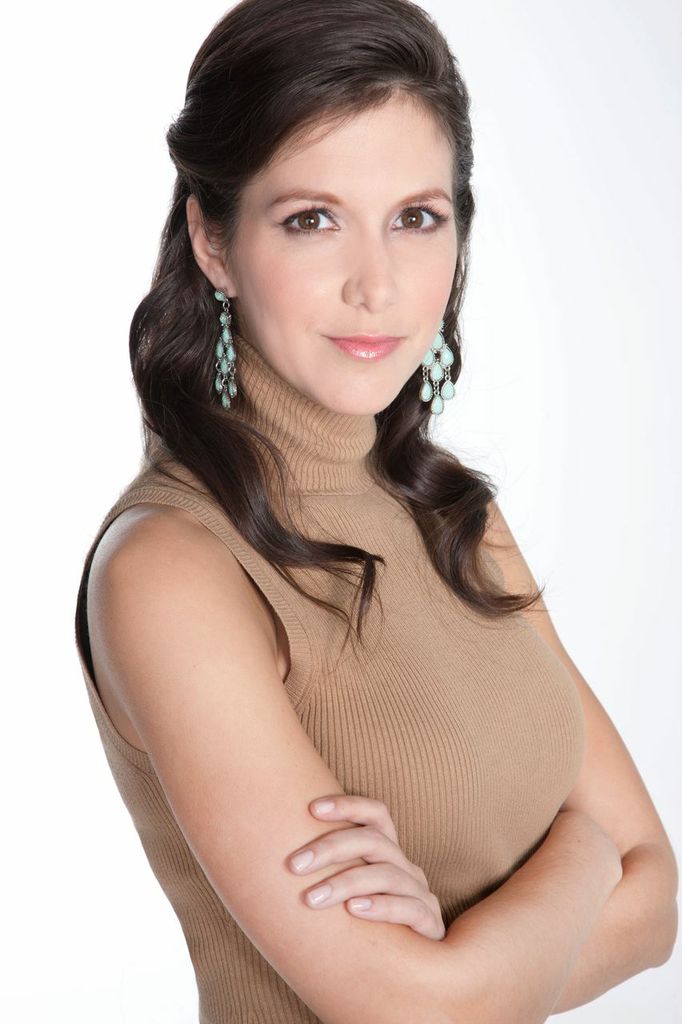
Authors AI. Their main business is using AI to analyse your novel. There’s a free version, plus paid ones. I’ve used both and find them most useful. They also put on regular webinars, usually presented by AI co-founder Alessandro Torre (see left), interviewing an American (usually) novelist. They last half an hour and can be entertaining and interesting. Recommended.
I also recently joined a webinar run by Jericho Writers, called Big Picture Editing, which was well-presented, well-structured and offered a different look at editing. Recommended.
Other companies that run free webinars include: Lulu Publishing; Curtis Brown Literary Agency; Reedsy; BluePencil Agency and WriteAcademy.
If you have experienced other webinars that you’d like to pass on, please do so through the Feedback button.
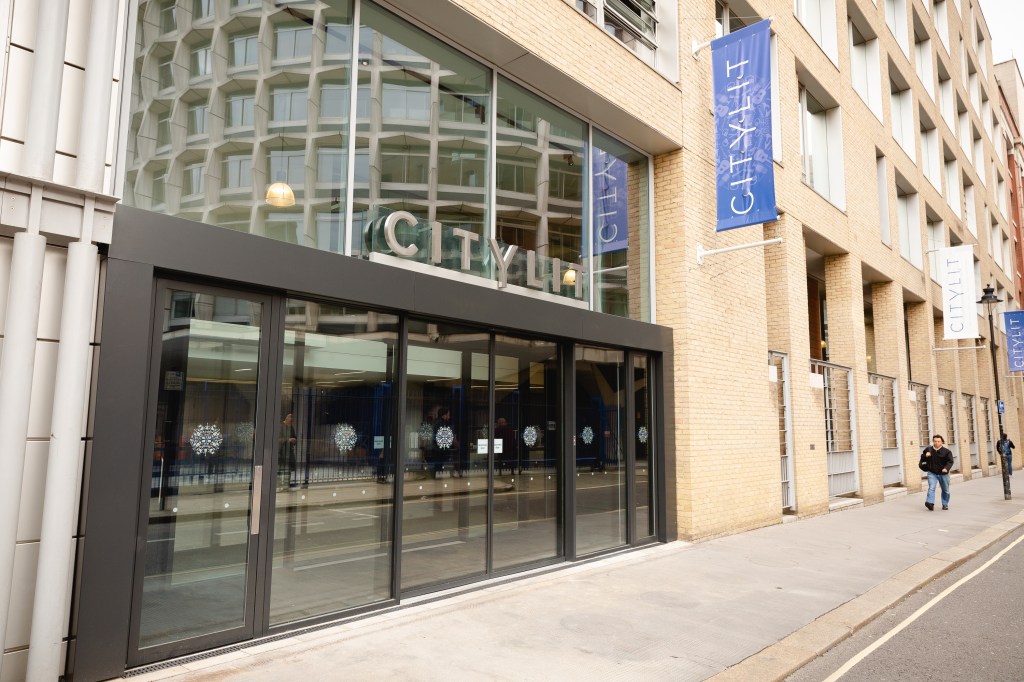
Last month I asked if anyone had experience of writing courses. Writing friend Brian contacted me about the courses he’s been on at the City Lit in London. It’s near Lincolns Inn Fields and the address is 1-10 Keeley St, London WC2B 4BA.
Here’s Brian’s experience:
My first course there, after retirement, was an introduction to journalism. I enjoyed two terms, met interesting people but failed to write any memorable articles. Perhaps, because as I later discovered I enjoyed writing stories that were only seemingly true. My next course was an Introduction to Short Story writing. This was a good mixture of prescription and practice. Over ten weeks, we wrote three long stories, receiving comprehensive feedback on the originals and two further edits. I was more in my creative comfort zone now. On two further creative writing courses, I wrote enough stories to fill an anthology and, much late, when I discovered Lulu, a self-publishing website, I published First Coarse, a pun on the standard of my writing and its source.
The next stage in my writing journey was to investigate travel writing at the nearby Mary Ward Centre. Here, I discovered I had forty years of history, featuring journeys taken in my many cars, to fill a book. I used Lulu to self-publish to publish Road Works – the drives of a lifetime.
In more recent times, I’ve attended one day courses on writing for children, one on straight storytelling and one on picture books. Both courses provided a good foundation of the elements required for each genre.
Thank you, Brian.
Happy writing in March and April. I’ll be back in May.
Linda









 Let's Get Writing