A rogue post! But there is some good news…..
Firstly, apologies to those of you who saw a post on Facebook saying I was running some free online workshops. A well-meaning writing friend posted it, not realising it was from four years ago! But I’ve had quite a few enquiries so I thought I’d do a course of 3 free online workshops, starting in August. These will consist of a chat on a writing topic; relevant exercises; and suggested writing practice. I’d welcome comments about the course as we go. Sorry, I don’t have space to post any of your writing.
1 book – 8 million copies sold!
This month I’d like to tell you about a fascinating talk I heard at a local church – St Richards in Aldwick – given by KATE MOSSE, author of the best-selling (8 million in 37 languages) book Labyrinth, which is set in the medieval French town of Carcasonne. Kate is a writer who is much inspired by place. She says a writer needs to get away from the familiar to experience somewhere new, to see a place with fresh eyes. At her first sight of Carcasonne, she says she felt she belonged there. She had a sense of being part of history.
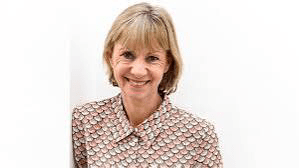
She hadn’t intended to write about the place, but over the next five years of living there, she fell in love with the city and ‘I heard the whispering in the landscape’ that made her a writer.
Kate says she’s written eleven novels based on places. As humans, she says, we’re hard-wired to tell stories.
She spends years on researching a new novel, clocking up thousands of words of notes.
At this point, Kate broke away from her talk to comment on how the evening sunlight was streaming in through a church window straight onto the Bible, open on a lectern. She actually noted that it was 7.45pm – a detail, she said, that could be used in a story.
‘Research is the spine,’ Kate explained. Once that has been done, she starts writing to see what comes out. The first draft is all emotion and quite often she doesn’t know at the beginning what the theme of her novel is going to be. ‘I let the book show itself,’ she says. ’Then the work starts.’
Championing women
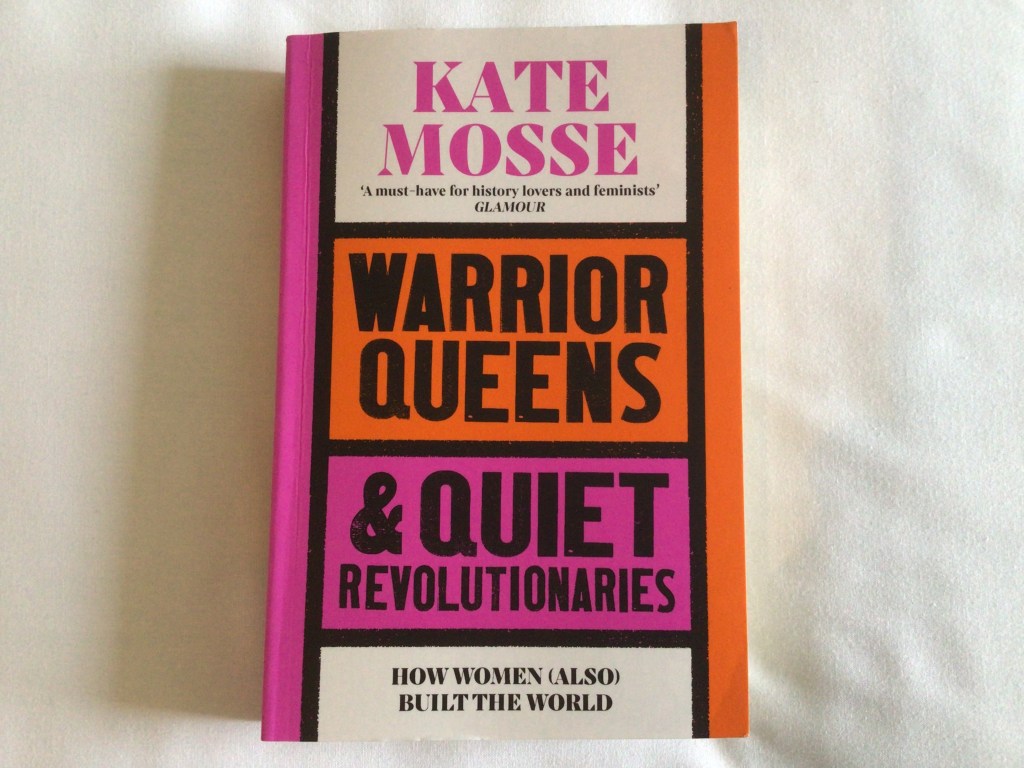
Kate also spoke about her desire to champion the cause of forgotten women who have contributed as much as men who ARE credited. In her own family, her grandmother was said to be Gladstone’s favourite novelist; and her aunt was one of the first women to be ordained. During Covid, Kate decided that something should be done about such women and she put out a Tweet, asking for names of women in the past who deserved recognition. Within days she had thousands of replies and the ultimate result is Warrior Queens and Quiet Revolutionaries: How women (also) built the world. The book is available on the usual platforms and is now permanently on my work desk, next to my computer. It’s a delightful read as Kate said, for dipping into from time to time.
I’ll finish with two of Kate’s writing tips that I certainly subscribe to.
When you’re on your 3rd (or final) draft of your writing, change the font. It’ll be like reading a new book.
And my favourite – when Kate has done all the edits and revisions and her book is ready for her editor, she says: When I press SEND, I have a glass of champagne!
Oh, yes!
Happy Writing
Linda



 Let's Get Writing