Who are you writing for?
When you sit down to start writing, do you know WHO you are writing for?
I think at almost every Creative Writing class I’ve been to, the tutor has insisted “you must write for yourself.” That’s certainly a sentiment I agree with. You must have a passion for whatever you are writing and that passion is part of you – whether it’s a place you’re fond of, a political topic you’re enthusiastic about or even obsessive about, a person you love (or loathe), a story you’ve always wanted to tell. Your writing comes from you – your personality, your background, your history, your dreams, your fears and your goals. So, yes, you should be writing for yourself.
If it’s JUST for yourself, then keeping a diary fits the bill. Or you could use a folder or computer file that’s just for you. But diaries have a habit of getting read – after you’ve gone! So, do you want people reading them eventually?
Over the years I’ve been teaching, I’ve come across writers who tell me they are “just writing for themselves”. But they’re still happy to share their endeavours with the class or group. And, I believe, some of them want someone (usually me) to say “Oh, I think you should send that off to such-and-such a magazine.”
Be honest with yourself
When we write, I think we must be honest with ourselves and decide just WHO we are writing for – in addition to ourselves. I am a firm believer in considering your would-be audience when you write.
Non-fiction writers usually have a very particular audience in mind. They might be writing an article or a book specifically for children, or teenagers, or Mums, or seniors, or travellers, or for those following a certain business, craft, hobby or sport. That specific audience will dictate what you are writing about, what vocabulary and terms you use, what you include and how the piece is structured. Of course, you put your own style into the article or book, as well as all the vital information required.
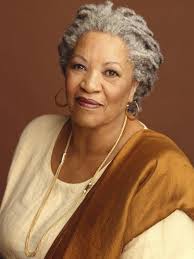
It’s when writing fiction that I wonder whether we consider our audience enough.
Toni Morrison said: “If there’s a book you want to read, but it hasn’t been written yet, then you must write it.”
Absolutely fine. But it would be even better if it were written to attract other readers too!
If you are writing a light romance, then you’ve probably read similar novels, and we know that thousands of people are avid followers of Mills and Boon. So, as a reader, you’ll know what’s required. But you won’t necessarily want to write a version of M&B – it has to be yours. Then, it’s a good idea to have an Ideal Reader in mind as you write.
A way of speaking
Many famous writers have said they write for a particular person.
Stephen King says he writes for his wife Tabitha; F Scott Fitzgerald likewise wrote with his wife Zelda in mind; Kurt Vonnegut wrote for his sister Alice, saying he wanted to make her laugh or cry; and Jack Kerouac said he wrote for his friends, like Allen Ginsberg, as a way of speaking to them.
This device can work well as it can make the writing more intimate, conversational and emotional.
If you feel you want to write for a wider audience, be careful not to lose those attributes by writing more generally. Writers who have an audience in mind are thought to take more care with their choice of words, their syntax, their characters, their structure and their plots.
So, next time you sit down to write, have a picture in mind of WHO you are writing for – just another idea to help the creative process!
This month is the last of the workshops I’ve been offering – on how to inject PACE (fast or slow) into your writing. Click here for a chat, exercises and writing practice.
I’d love to hear how you’ve enjoyed the workshops and whether any stories have come out of them!
Happy Writing!
Linda
 Let's Get Writing