Free Writing – a device to get you going
When did you last sit down and do a few minutes of free writing? That’s just writing, without editing, without judging, without taking your pen off the page or your fingers from the keyboard.
It’s a really well-used, traditional writing device that can
get you going;
help get round any anxiety or mental block;
build up writing stamina and muscles and
create a daily routine.
Free writing was originally developed by Peter Elbow, a professor of English Emeritus at the University of Massachusetts Amherst in 1973. His idea was that you wrote for a few minutes, took an idea or word from that freewriting and used that idea to free write for another few minutes. This process could then be carried on for as long as you wanted.

Nowadays it tends to mean you can write about absolutely anything – a stream of consciousness, thoughts on waking, a rant at someone or something, a character profile, what you’re going to do today – anything that takes your fancy and gets you writing.
It’s not, usually, meant to be shared but if you’re with your writing buddy or in a group, then you can, of course, if you want to. Otherwise, free writing can be just left, or even erased, having done its job in getting you started. It might, though, result in an idea for future writing; a couple of paragraphs might be used in a short story or whatever your work-in-progress may be.
Brilliant motivator
I was reintroduced to this writing device a few weeks ago when I went on an excellent course in Portsmouth – Write Your Historical Novel – run by William Sutton. He’s a brilliant tutor and motivator so I was “happy” to put up with rather cold room we were in! He used free writing exercises in every session. He usually gave us a topic, or the choice of several, and we could do what we liked with the exercise. Some of the writers were just beginning their novel-writing journey, others were some way into their novels, and a couple, like myself, had finished the writing and were now starting the editing process.
Whatever the topic, I found I was able to relate it to my novel enabling me to
a) take a fresh look at particular scenes,
b) use a different point of view and
c) come up with interesting plot changes.
The idea of just writing, with no judgement, seemed to free me up from what I had planned. I’m definitely a planner, not a pantser, so this came as a bit of a surprise.
I’ve kept my free writing exercises all in one notebook and I have to say that I have found them extremely useful as I work through my novel, taking on board various critiques that my Beta-readers have suggested.
I’ll just add here that William had a whole host of excellent ideas and advice relating specifically to Historical Novel writing. He runs different workshops and classes so if you are in or near the Portsmouth area, do have a look at his website. Click here.
Christmas writing suggestion
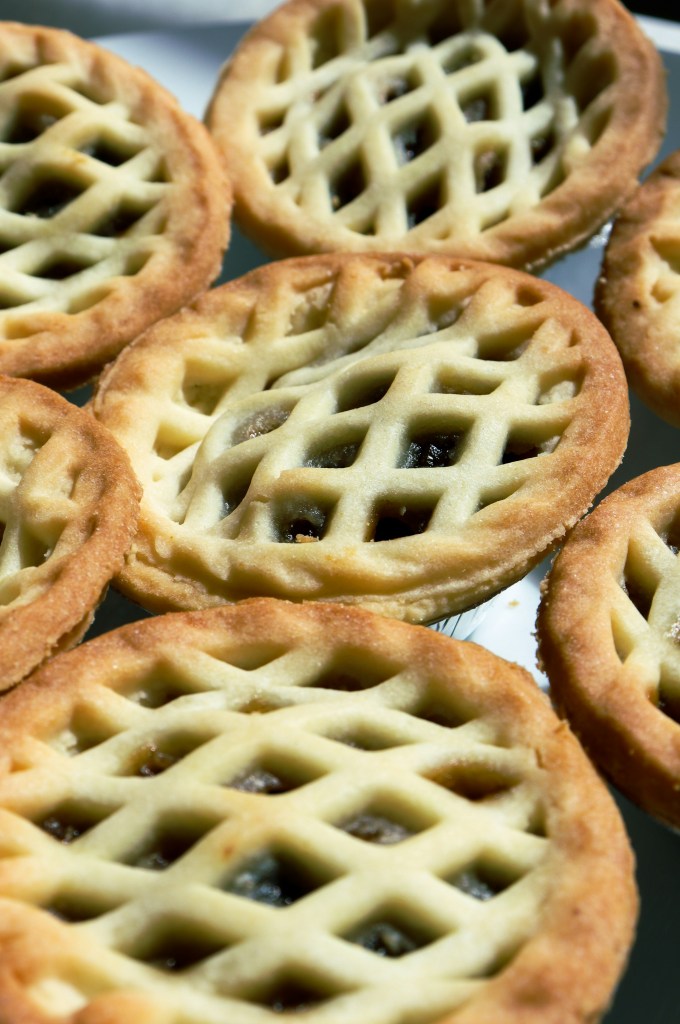
I know we’re all getting really busy preparing for the festive season – lunches, dinners, shopping, friends, family, Christmas TV, cards and presents. But even amid all this activity, you might find you have the odd five minutes to keep up your writing.
It might be a lot to ask you to continue with your work-in-progress with all the distractions around! So you could use those little bits of time to free write. It might be for 2 minutes or 5, or, as we found in our sessions, you just want to carry on! It’ll be a break from the mince pies and sherry, and it will keep you writing.
And to help you get started, there are 20 Christmas prompts on the new Prompts page. Click here.
Do let me know if that’s helpful for you.
Have a lovely Christmas and wishing you all the best for 2025.
Happy writing!
Linda
 Let's Get Writing